 Nowadays almost everyone has fans of some kind. It may be Twitter or Facebook followers, TikTok or Instagram likes, but whatever the platform or content, we all seem to have our share of followers and fans.
Notice I didn't say our "fair" share of followers and fans. The reason for this is because nothing about fame or having fans is fair. That is, there's no logical correlation between quality of content and number of fans, I think we all know that. I'm not saying there's no connection; I'm saying it's complicated and ambiguous. Fame is also fleeting. Fans are very fickle. If you change your hairstyle or gain or lose a few pounds, expect seismic tremors to shake your fan base. If you go "dark" to catch your breath, many will find someone new to follow. Say something -- just one something -- that offends enough people and you'll be cancelled. So, how should we deal with the bright lights of fame -- or even the phone-screen gleam of niche fame? Luckily for us, a great answer was recently offered by the poet Michael Dwayne Smith. I crossed paths with Michael at Facebook and during a great exchange about poetry submissions and readers, Michael observed that for poets, "close attention" is much more important than "massive eyeballs." I think this is brilliant. It should be the focal point of every poet's dance with fame. What you're looking for are people who love and need your poems. Not just eyeballs. Sure, it's nice to get likes and shares, and if you want high numbers, you should try to get them, but never let chasing them weigh you down. Never let the lack of Big Fame keep you from fully experiencing the joy your art has brought to the world through your small fame. As a poet, you're a performer and it's part of your job to inspire people. Even if you write dark and sad, you want people to feel your work, not just hear about it. So remember Michael's words and value "close attention" and not just "massive" attention. Tally Poems Written: 313 Submissions: 51 Rejections: 21 (13 tiered) Acceptances: 0 Poem written today: "First Days at Half Moon Bay" If you need a hand revising and polishing: 1) Have me do it for you! Click the "Poem Polisher" button below. I've helped lots of poets. 2) Use my 7 Secrets of Poetry pdf as a guide for revision.
0 Comments
 I've met an awful lot of poets. Most of them make my heart soar and do something to bolster my faith in humanity. Some even take my pain away, or explain it to me so beautifully I don't want it gone. But a few leave me feeling truly sad and frustrated. Who are these few poets? I call them the "bitter enders." Poets who, for some reason or another, seem to feel as though they've been jilted by the muse, or by fate, and they're out to let people know about the injustice. The first sign that you're dealing with a bitter-ender is when someone says something like: "You know, there's a lot of poets out there and they all suck. What they're doing isn't real poetry!" If you look at that statement closely, you'll see the poet has taken on two extremely heavy burdens: the first is, they are apparently the world's best poet, no easy job; second, they are an accomplished critic, a similarly Herculean task. Outside of Poe, I would have thought the odds were against such a pairing. Bitterness is always lurking in wait and once it gets hold of a poet, it turns them into something snarly and pathetic. So if it starts to hit you, fight back fast! Here are some things I think you can do to shake off bitterness when it bites: 1) Go out in nature and be quiet for ten minutes. Do this every day if needed. 2) Try writing about an entirely new subject. If you've never written a poem about pogo-sticks write one now. 3) Watch a stupid movie that makes you laugh. 4) Set more realistic goals. Yeah, you may not win that Nobel Prize for Poetry, but can't you still be happy? 5) Consider taking a break from creative work. If necessary, a long break. That last one may seem harsh, but seriously if it's not fun anymore, if you're really angry and frustrated and resentful of other people's creative doings, it might be better to just put down your brush. If you're not over-brimming with passion when you work and see other poets' work, you may not realize it, but this is a sign that you've probably just stayed too long at the party. Or showed up at the wrong house. What won't work is stalking people down one by one to tell them how great you are (or were) and how lousy everyone else is -- trust me, no-one's listening. Speaking of listening, why not check out my new song "Coming Home" at YouTube? Tell me what you think of it. Just click the button below!!! Tally Poems Written: 312 Submissions: 51 Rejections: 21 (13 tiered) Acceptances: 0 Poem written today: "Meandering Poem of Magick" Categories All  Each time you write, submit, or publish a poem, you risk rejection. Believe it or not, rejection from editors is not the worst kind of rejection. It's rejection from readers (and critics) that stings the most. When an editor rejects your poetry, you can at least comfort yourself by submitting the same poems elsewhere.
If a poem is published or posted and people slam or ignore it, getting a mulligan can be problematic. Not impossible, just challenging... Another thing is: you're going to get rejected no matter who you are. You could be Shakespeare and you'd still get your fair share of rejections. So what do you do? Well, I've had hundreds if not thousands of rejections and I can offer the following insights: 1) Expect to get them. Just like you accept getting sand in your stuff when you go to the beach. 2) Never answer them. Not privately by messaging the editor, or publicly, by whining to your social media circle. You can post an update as in "I was rejected today..." But resist the urge to defend yourself or criticize. 3) Take a close look at your bio and cover letter. Can you make improvements? If you have a dull bio (I do!) or a rambling (or sloppy) cover letter, it will likely influence editors' decisions. 4) If a poem has been rejected by more than 5 venues, see if it may need improving. Sometimes it's just a single line or even a single word that's putting people off. 5) Move on. Resubmit. 6) Only submit your best, most fully polished work. When an editor asks to see more work from you, they really mean it. If they don't make that specific request, you shouldn't read much else into the rejection. It's important to guard against the hurt of rejection because you can really get sidetracked by the glums. I'll talk about how to deal with online rejection, social media hate, and critics in a future post. Tally Poems Written: 311 Submissions: 51 Rejections: 21 (13 tiered) Acceptances: 0 Poem written today: "N/A" Still mixing song, "Coming Home." If you need a hand revising and polishing: 1) Have me do it for you! Click the "Poem Polisher" button below. I've helped lots of poets. 2) Use my 7 Secrets of Poetry pdf as a guide for revision. 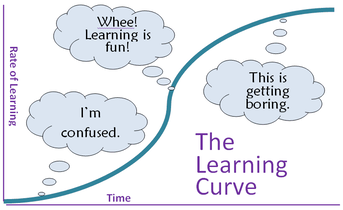 Being a poet means engaging in a process of lifelong learning. No matter what you do, or how hard you work and study, you'll never master the art of poetry. But writing poems can help you master yourself. Believe it or not, this has something to do with the topic of rejection. When people ignore your work, reject your work, or criticize it, you're on the road to learning. Usually that road is very painful and involves a lot of frustration, soul-searching, maybe even swearing of vengeance. The point is, you'll be a different person for the experience no matter what. Whether you're a better person is up to you. The important thing to remember is that being a poet means embracing growth and change, both in your writing and in your life. Writing poems can help you connect with others and that's a wonderful feeling. But never forget the power that writing poems has to help you connect with you. Both who you are now, and who you might become. Tally Poems Written: 311 Submissions: 51 Rejections: 21 (13 tiered) Acceptances: 0 Poem written today: "n/a" Mixing music track "Coming Home." If you need a hand revising and polishing: 1) Have me do it for you! Click the "Poem Polisher" button below. I've helped lots of poets. 2) Use my 7 Secrets of Poetry pdf as a guide for revision. Categories All  While writing a poem can be a very tough challenge, getting people to read even the best of poems is almost always tougher. Poets face a serious "no win scenario" with marketing. If you don't market your poems, nobody will ever know they exist. If you market your poems, you risk looking desperate or self-absorbed. What's more, marketing is a very stressful, rough and tumble world. It's a shark tank mentality, while writing poetry is more of a Zen, one-with-nature and inspiration feeling. The difference between writing poetry and marketing it is as big as the difference between eating a nicely cooked steak or trying to eat a live cow. So what do we do? Actually, I was hoping you'd tell me! It's a very problematic obstacle and it's probably only going to get worse with the rise of AI platforms. Not because AI's will write good poetry, but because even more wannabes will flood the market cheekily devising a masterplan to use their AI word-salad to get rich and famous. It's going to be very, very ugly. And it's already pretty bad. Here are a few things I think may help:
Poetry for the most part only self-markets for dead poets. Something about being dead makes a poet more interesting. Unfortunately, you can't bask in the glory from six feet under and the light from your halo up-top past the Gates will blind you to earthly success. So, I leave you with these famous words, slightly paraphrased: "Do you know what it takes to sell poetry....?" One thing you can do is to have really solid, polished work. If you want some help with your poems, email at pitchblackpoet@yahoo.com OR writerdan@mail.com Or click a button below. Tally Poems Written: 311 Submissions: 51 Rejections: 21 (13 tiered) Acceptances: 0 Poem written today: "n/a" Mixing song "Coming Home" for release! Categories All  Tell me if you agree with any or all of the following:
In my personal life, I like it best when I'm not being told what to do. Freedom and self-determination appeal to me a lot. But with creative works, I often feel drawn to traditional rules and modes. Not exactly old fashioned, but I'd say I'm more reluctant than some poets to get into wild experimentation with form or language. How about you? I, of course, have copious thoughts on each of those points above, but I'm more interested in your thoughts. Do you think rules are made to be broken? Or do poets need them? So let me know at pitchblackpoet@yahoo.com OR writerdan@mail.com OR just leave a message through the form below. Tally Poems Written: 311 Submissions: 51 Rejections: 21 (13 tiered) Acceptances: 0 Poem written today: "Elm" If you need a hand revising and polishing: 1) Have me do it for you! Click the "Poem Polisher" button below. I've helped lots of poets. 2) Use my 7 Secrets of Poetry pdf as a guide for revision. If you order a polish in May you get the 7 Secrets book free!!! Categories All  I write a lot of poems. Only about one in ten is worth a darn. I wish I knew a way to make this ratio higher. What's worse is, there's no pattern to creative inspiration. One day you might write two good poems in a row. At other times, it might be a week or two before you write anything decent. It's the same for most poets. Even great poets like T.S. Eliot and Emily Dickinson wrote more duds than masterpieces. Both Ezra Pound and Walt Whitman wrote more bad lines than good over their careers. I won't name any living, working poets by name -- but I'll say, I haven't seen many, if any, 21st century exceptions to this rule. And that's only seeing poets' published or posted works. My explanation for it is that we write poems for many different reasons, only some of which are connected to creating a poem for sharing or for publication. The only other answer I can think of is that writing good poems is just really tough and it takes a bit of luck like fishing or golf. Another possibility is it's just darned hard to do it all alone. Poetry is one of the only arts (like painting) where the artist is truly alone. Novelists have editors, musicians have producers, actors and actresses have directors and makeup people, and costume people, and people to blink for them, etc... Even dancers have a dance partner or a few musicians around. If you're a poet, it's all you. You think alone, write alone, and for the most part are the only "gatekeeper" of your works. It's a big job, and most poets resist being edited anyway. What do you think? Have you experienced poetic ratio? Are there other reasons forit? Found any hacks to get around it? Let me know! Tally Poems Written: 310 Submissions: 51 Rejections: 20 (13 tiered) Acceptances: 0 Poem written today: "Star Pools" Categories All  Here's a quick tip to help you overcome procrastination. It really works if you give it a chance, but there's a catch. You have to write in a notebook, or keep a continuous doc or series of docs somewhere. If you're a poet who likes to really write on the fly, like without any schedule, tools, or method, this may not work so well. For me, getting started is always the toughest part of writing. Whether I'm writing a poetry or prose, it's writing the first line or sentence that holds me up. There are various well-known tricks to get around this, such as starting off your work day by editing rather than writing, "free writing" in a journal or some other platform, and -- everyone's favorite -- guzzling gallons of strong coffee. But I've found, for poetry, what works best is just leaving a "hanging title." This means, when I finish a poem in my journal, I sometimes jot down a title for the next poem. I just dream up a cool title, note it down, then start my next writing session by filling in the blank part. That is -- the poem! Even if you only wind up with a few lines for a particular "hanging" title, this little trick will get you writing quickly each day. A couple caveats: 1) It's not usually best to jot down multiple titles. If you do that, you'll overwhelm yourself even if you don't think you're doing so and kill the spirit of the whole thing. That said, sometimes, you get a lot of ideas for titles, so what are you going to do? 2) If the poem starts coming right there as you're jotting down the title -- if you hear a first line or something -- go for it. If not, refrain from jotting down too many notes etc. Just get the title down and let the Muses work on the poem when you're not looking. 3) Don't write down a title unless you feel a spark. If you start writing "Cat Poem 55," "Cat Poem 56," etc., the tip probably won't work as well. That's about it. As always, your mileage is sure to vary. If you're the kind of poet who comes up with titles last, you may not like this technique. I don't use it every day, but I've found it really works to get me going in some cases, and it's resulted in a quite a few good poems. Tally Poems Written: 309 Submissions: 51 Rejections: 20 (13 tiered) Acceptances: 0 Poem written today: "Talk Candle" Categories All  I talk a lot about emotion in these blog-posts and the reason is because all good art, particularly poetry, is made of emotion. If you aren't willing to express emotion intensely, there's really not much point in trying to be a poet. The same is true if you just want to express one emotion over and over. If your poems are always happy or always sad, people will get bored with your work fast. The best thing you can do is to use a lot of different emotions, even in a single poem. I could cite hundreds of examples here, but let's just focus on two really famous poems. The first is "The Raven" by Edgar Allen Poe and the second is "Lady Lazarus" by Sylvia Plath. Sure, "The Raven" is famous for being synonymous for mourning, and rightly so, but if you look at the poem carefully you'll see it actually runs a gamut of emotions from boredom, to hope, to anger, and terror. Unrelenting grief is only one emotion, and it's profound, centuries strong sadness would not ring as fully as it does without a compliment of contrasting colors. Plath's poem is even more dynamic. It starts with submissive emotions of fear and self-loathing and rises to emotions that are best described as "godly." Along the way, Plath uses sarcasm, honesty, pity, anger, joy, and nostalgia to fuel her transformation from victim to avenging Goddess. That's what you want to do with emotion in a poem. You want to use it as both color and tempo simultaneously and you want to color with more than one crayon and keep time on more than a single drum. Tally Poems Written: 308 Submissions: 51 Rejections: 20 (13 tiered) Acceptances: 0 Poem written today: "Sisters" Categories All  Should you ever just give up on a poem? Some poems come out almost fully formed, just perfect straight out of the fire, like a gift from from the gods. Others have to be wrangled, sawed, sanded, polished and, in some cases, given a full body-transplant. What makes it worse is, a poem can be this close to brilliance and then it takes months and sometimes years to actually get it right. So you have a decision to make as a poet. Luckily, you get the chance to make the decision over and over. Basically, what you have to decide with each poem is: how much can revision help? Usually the answer is: a lot. Even if you only make small changes or a small change to a given poem, the results can be dramatic. There are times, though, when you just have to let go. Some poems just fail. Unfortunately, there's no rule when it comes to making this judgment call. And it's liable to be different, in any case, for each poem. Given, these vagaries, here's a few points that I've found helpful over the years:
I also have a thought on not revising or refusing to revise your poems: that's why your poems aren't working for anyone else but you. So do your poems a favor and shine them as best you can. If you hate revising and polishing, consider two options (best used together!): 1) Have me do it for you! Click the "Poem Polisher" button below. I've helped lots of poets. 2) Use my 7 Secrets of Poetry pdf as a guide for revision. Tally Poems Written: 307 Submissions: 51 Rejections: 20 (13 tiered) Acceptances: 0 Poem written today: "Street Steel" Categories All |
